I spent my first year of badminton using the same serve every single time. Short serve to the T. Every. Single. Time.
My opponents figured this out after about three points. They'd stand right at the service line, rush my serve, and smash it past me before I could blink. I was basically gifting them free points.
Then my clubmate pulled me aside and said, "You know you can serve long, right?" Game changer. Here's everything I wish someone had told me about badminton serves from day one.
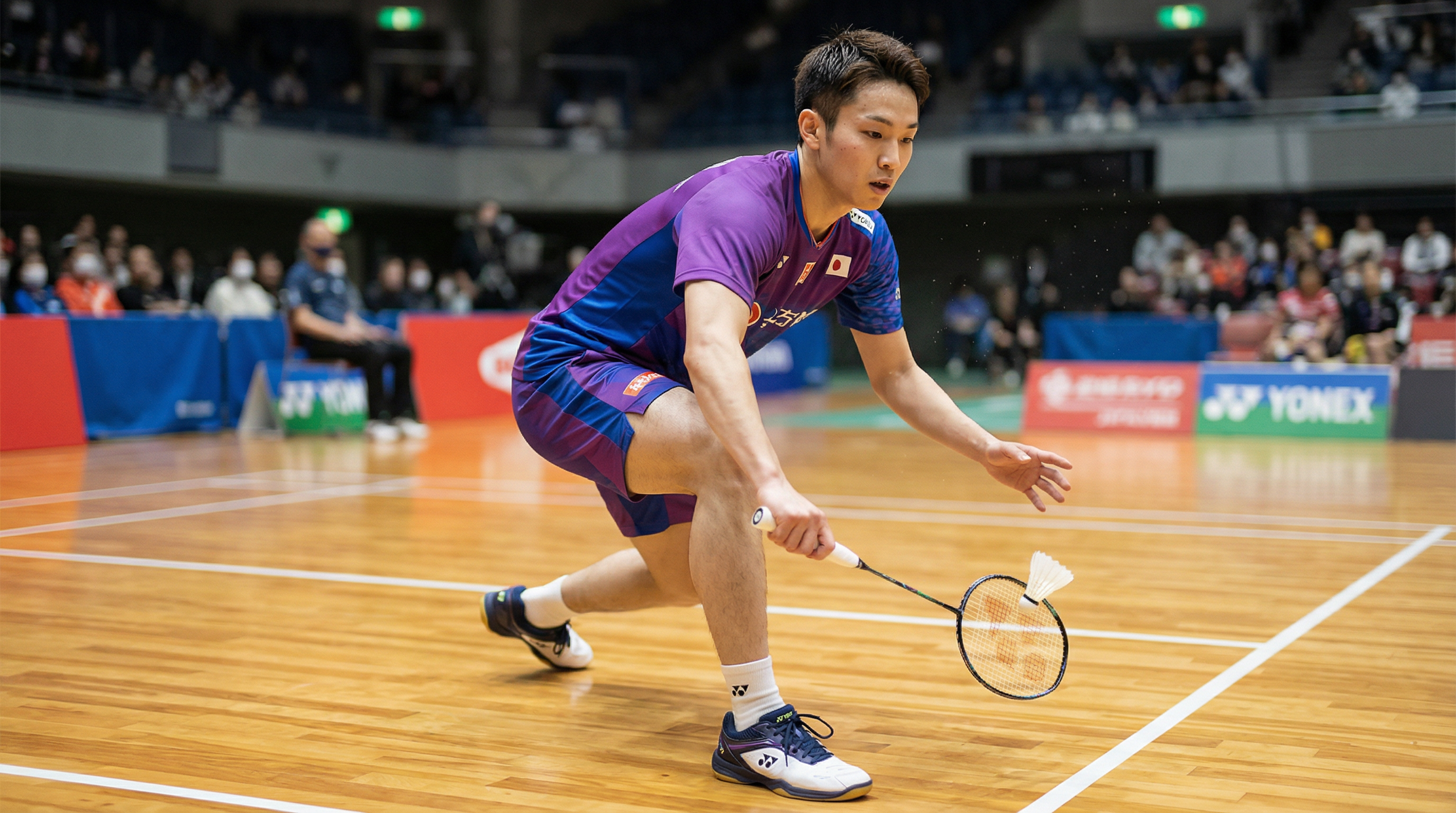
The Short Serve (My Doubles Go-To)
Here's the deal with short serves: if you do it right, your opponent literally cannot attack it. They have to lift, which means you're on offense. Do it wrong, and they'll kill it straight into your face.
I learned this the hard way during a tournament. My short serve was floating 6 inches above the net. My opponent killed every single one. Lost 21-8. Ouch.
How I Actually Serve Now
My stance: I stand about 2 feet from the front service line. Feet shoulder-width, weight slightly forward. Backhand grip for backhand serve (my preference), forehand grip if you're doing forehand.
The motion: This isn't a swing—it's a gentle push. I hold the shuttle by the feathers at waist height. Racket starts slightly behind it. Contact point is below my waist (rule requirement), and I just... push. That's it.
Think of it like tapping a shuttlecock off a table, not hitting it. All fingers and wrist, zero arm movement.
Where it lands: The shuttle should barely clear the net—I'm talking 1-3 inches. It should land in the front service box, ideally within a foot of the front line. Too high? They attack. Too long? They attack. Gotta be tight.
💡 What Finally Clicked For Me: The serve isn't about power. It's about making the shuttle die right after it crosses the net. When I stopped trying to "hit" it and started just guiding it over, my accuracy went from 50% to 85% overnight.
The Long Serve (Singles Weapon)
I ignored long serves for my first 6 months of playing. Big mistake. Once I added them to my game, my singles win rate jumped from 40% to 60%.
Why? Because you can't play good singles if your opponent just camps at mid-court. The long serve forces them to the back boundary, opening up the entire forecourt for your next shot.
My Long Serve Setup
Position: I stand 3-4 feet back from the front service line, sideways stance. This gives me room for a full swing.
The swing: Full forehand grip. I drop the shuttle in front of me, racket swings back behind my body (like a pendulum), and I transfer my weight from back foot to front foot as I swing through.
The key? Wrist snap at contact. That's where the power comes from, not your arm.
Trajectory: The shuttle should peak at about 10-12 feet high (gives you recovery time) and land deep—within a foot of the back line. If it lands mid-court, they'll intercept it early and punish you.
⚠️ Rookie Mistake I Made: Telegraphing my long serves. I'd change my stance, change my grip, basically send a giant neon sign saying "LONG SERVE COMING." Your preparation should look identical for short and long serves until the very last moment. That's what makes it effective.
The Flick Serve (Use Sparingly)
The flick serve is my secret weapon, but I only use it maybe twice per game. Any more than that and opponents catch on.
It looks exactly like a short serve—same stance, same setup, same everything. But at the last millisecond, I add a sharp wrist flick and the shuttle flies to the back of the service box.
When do I use it? When my opponent is cheating forward, weight already moving to intercept my short serve. They're committed to coming forward, and suddenly the shuttle's flying over their head. Beautiful.
But here's the thing: overuse it and it stops working. I tried using it 5 times in one game once. By the third one, my opponent was ready for it and smashed it for a winner. Lesson learned.
Serve Placement (This Changed Everything)
For my first year, I served to the same spot every time. The T-junction (center line). Safe, predictable, boring.
Then I started mixing it up:
Wide to the sideline: Pulls them off-center, opens up the court. I use this when my opponent has weak movement to their backhand side.
Into the body: Jams them, creates awkward return angles. Especially effective in doubles against the front player.
To the backhand corner (long serve): Most club players have weaker backhands. I exploit this mercilessly.
At my local club, 8 out of 10 players still serve to the same spot every time. Once you start varying placement, you're instantly in the top 20% of servers.
💡 Pro Tip: Watch your opponent during warmup. Are they standing close to the line? They're expecting short serves—hit a flick serve. Standing deep? They're worried about long serves—go short and tight.
Common Mistakes (I've Made Them All)
Mistake #1: Rushing the serve. I used to just grab the shuttle and serve immediately. No routine, no rhythm. My accuracy was terrible. Now I take 3 seconds, bounce the shuttle once, deep breath, visualize the target. Accuracy jumped from 60% to 85%.
Mistake #2: Changing strategy mid-match. I'd hit two bad short serves and panic—switch to all long serves. Terrible idea. Stick to your game plan. If your short serve is off, focus on tightening it, don't abandon it entirely.
Mistake #3: No pressure practice. Practicing serves during warmup is easy. Serving at 19-19? That's when technique falls apart. I started practicing serves while my clubmates made noise, distracted me, talked trash. Game-time serving got way more consistent.
My Practice Routine
I spend 10 minutes every session on serves. Not exciting, but it works.
Target drill: I place a towel in the front service box near the line. Hit 20 short serves aiming for it. If I don't get 15/20 landing within a foot of the towel, I do another set.
Short-long mix: Alternate short, long, short, long. My partner calls which one they think is coming as early as possible. If they're calling it before contact, my disguise needs work.
Pressure serves: Serve 10 times while my partner makes noise, moves around, distracts me. Simulates match pressure. If my accuracy drops below 70%, I need more mental practice.
What Actually Matters
After 10+ years of playing, here's what I've learned: your serve doesn't need to be spectacular. It needs to be consistent and force your opponent into bad positions.
I'm not out here doing trick serves or crazy spins. I have a reliable short serve that lands tight 85% of the time, a long serve that reaches deep 80% of the time, and enough variation in placement that opponents can't camp in one spot.
That's it. That's the formula.
The difference between my early days (serving randomly and hoping) and now (serving with purpose and consistency) is probably responsible for a 15-20% bump in my overall win rate. The serve sets the tone for everything that follows.
Start with mastering one serve type. Get it to 80% accuracy. Then add the second. Then add placement variation. Build the foundation first—the fancy stuff can wait.
← Back to All Articles